
Preparing your San Antonio rental for a Texas freeze
A short checklist for owners and residents before the first hard freeze, and the few things that prevent the expensive calls in February.
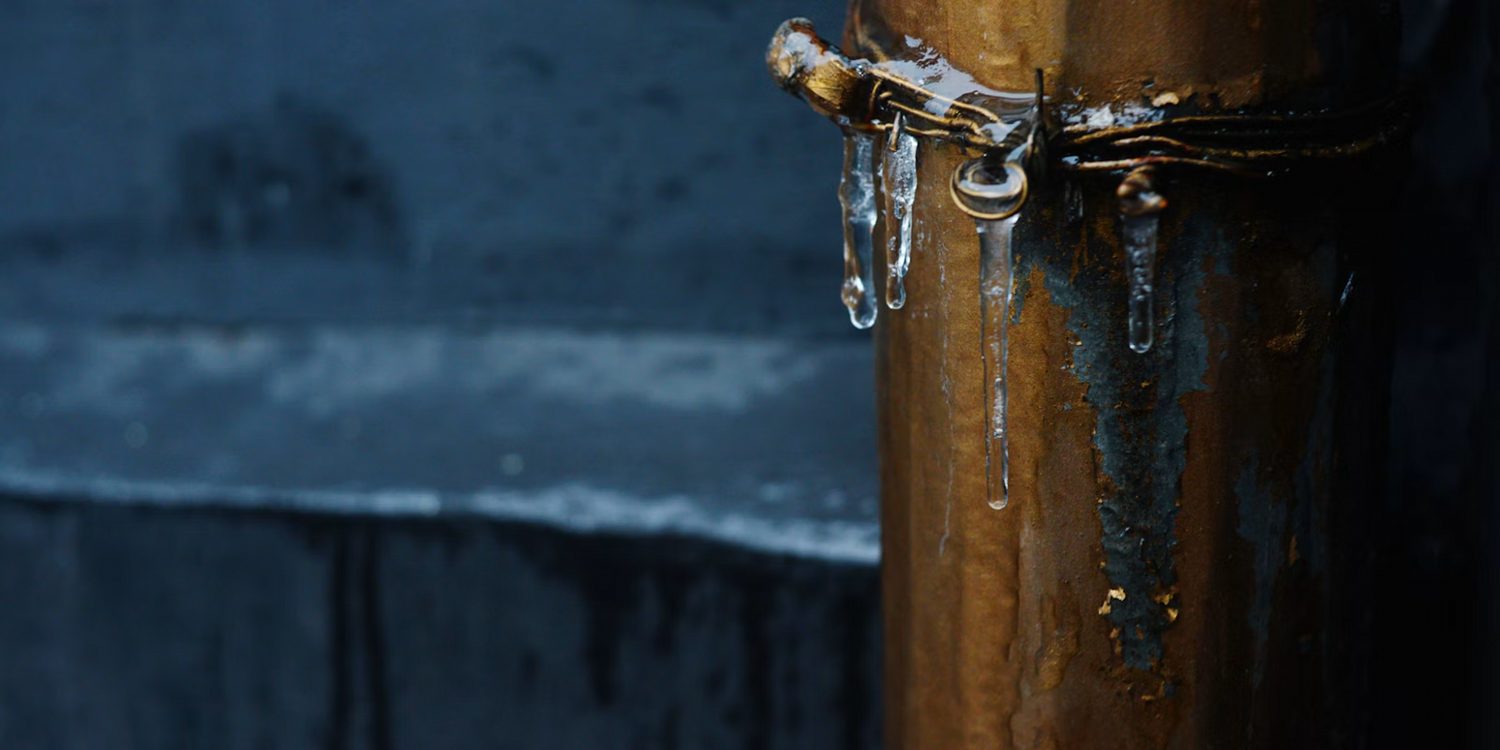
San Antonio does not get many hard freezes, which is exactly why they cause so much damage when they come. Pipes here are not buried deep, exterior faucets are rarely insulated, and a lot of homes have plumbing in the attic or along an exterior wall. February 2021 taught the whole state what a few days below freezing can do. Here is how we prepare the homes we manage, and what you can do if you self-manage.
What the owner is responsible for
Before the season
- Confirm the heating system works now, in October or November, not the night the temperature drops. A furnace that has not run since March may need a service call, and HVAC companies book up fast once the first cold front is on the forecast.
- Insulate exposed pipes in the attic, garage, and along exterior walls. Foam sleeves are inexpensive and take an afternoon.
- Know where the main water shutoff is and make sure it turns. A shutoff valve that has not been operated in years can seize. If the home has a shutoff at the meter only, a water key belongs in the garage.
- Check that the water heater is not in an unconditioned space without insulation, and that the relief valve drain line is clear.
- Make sure the resident has foam faucet covers. We supply them with the move-in packet; if you self-manage, a set costs a few dollars.
For a vacant home
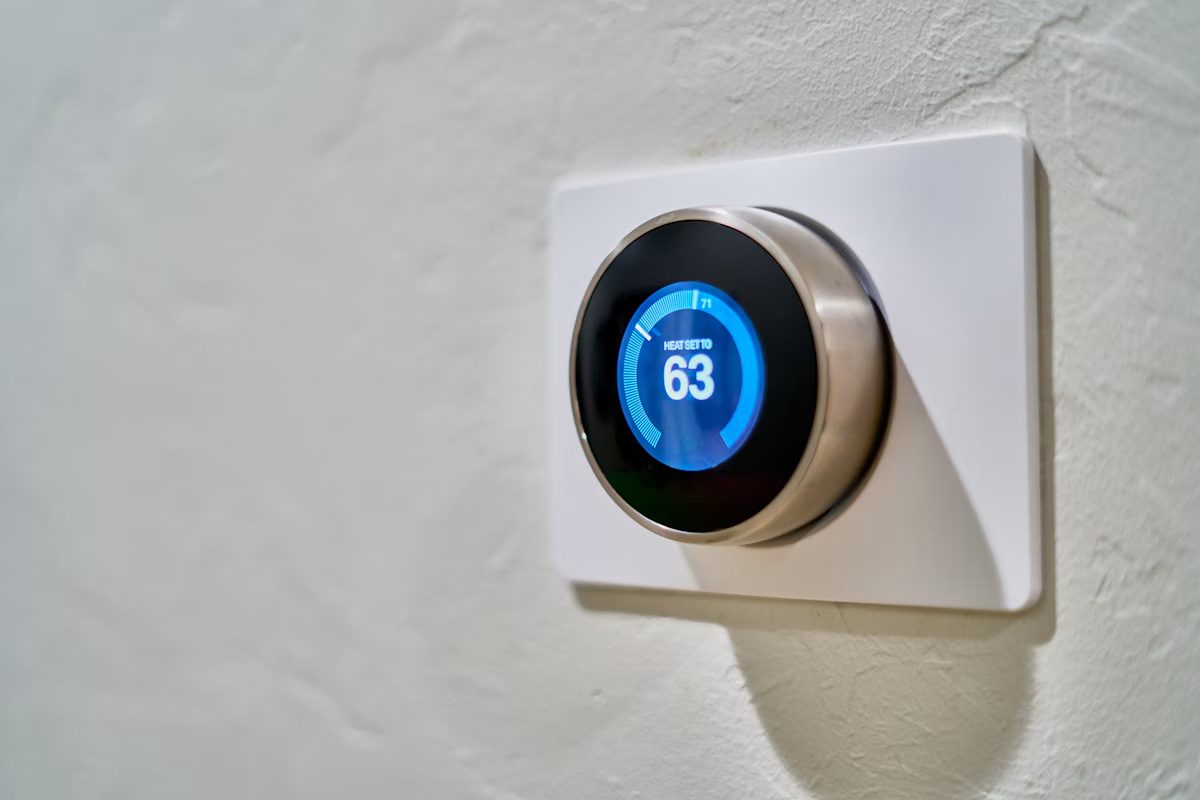
- Keep the heat on and set to at least 55 degrees. A vacant home with the heat off is the most common freeze-damage claim we see.
- Open cabinet doors under sinks on exterior walls so warm air reaches the pipes.
- If the home will sit vacant through a hard freeze, consider shutting off the main and draining the lines. Talk to your plumber about whether the home’s layout makes this practical.
What the resident is responsible for
This is the list we send every resident 48 hours before a forecast freeze, and it is what the lease expects of them.
- Keep the heat on, even when leaving town. Set it no lower than 55 degrees.
- Disconnect hoses from exterior faucets and put on the foam covers.
- Open cabinet doors under kitchen and bathroom sinks that sit on an outside wall.
- Let faucets on exterior walls drip slowly overnight.
- Know where the main water shutoff is. If a pipe bursts, shutting the water off in the first minute is the difference between a repair and a renovation.
- Report any loss of water pressure, frozen faucet, or unusual sound in the walls immediately through the resident portal, then call us.
What we do when a freeze is forecast
For the homes we manage, a freeze warning triggers a written notice to every resident, a check that vacant homes have the heat on and are set correctly, and a reminder to our plumbing vendor that we may need same-day service. After the freeze, residents are asked to confirm water pressure is normal in every fixture. Most burst pipes do not show up until the ice thaws and the water starts moving again.
The two items worth doing this week
If you do nothing else: confirm the heat works, and make sure the main water shutoff turns. Those two steps prevent the majority of what we see every winter.
This article is general information. Freeze preparation depends on the home's construction and systems. If you are unsure about any item, ask a licensed plumber or HVAC contractor.